Believe it or not, but this is a subway station.
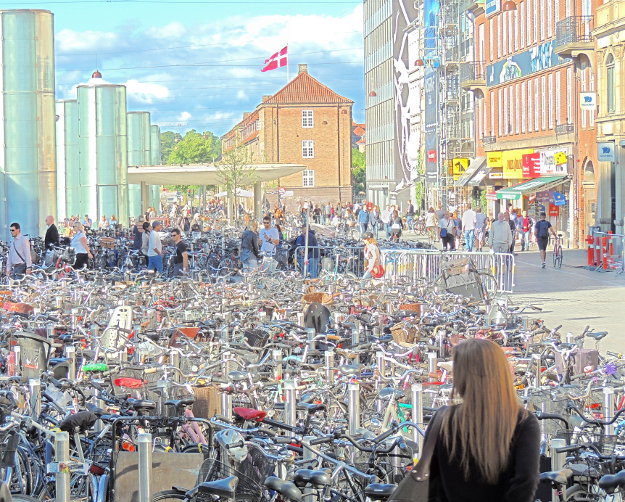
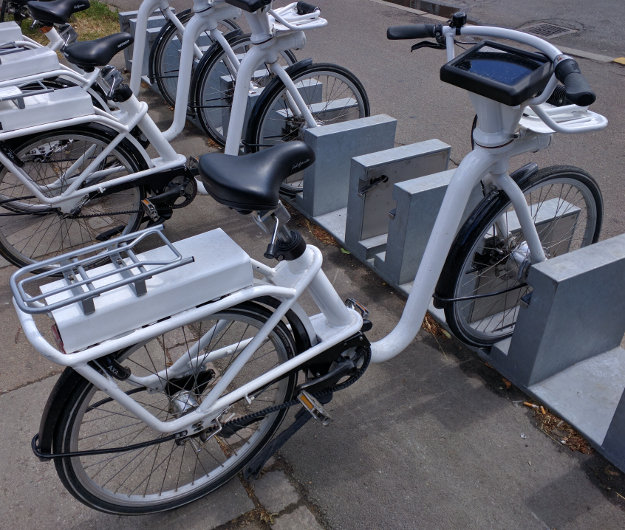
Public bikes are different in every city: they can be electric, they can have gears, fenders, or they can be belt-driven. But out of all the public bicycles I tried, the ones in Copenhagen are the best by far.Despite the fact that Copenhagen is quite flat they are electric, they have lights, fenders, and racks, so they can be used by everybody.
But one interesting thing is that they all have a tablet that lets you easily register and log in on the very bike. Additionally, the tablet includes a gps that takes you to your destination even if you don’t know the city without having to reach your pocket. Not to mention the fact that they are painted white, which increases the visibility at night (and lets Danish know that a tourist may be in charge).
Kudos to Bycyklen!
Biking in a city with a huge car usage feels like a struggle, like a war for the future with clear enemies and allies, and here are some of them.
Our allies:
Our enemies:
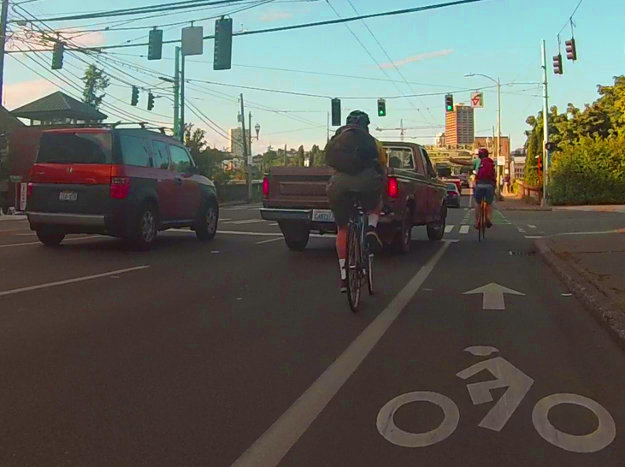
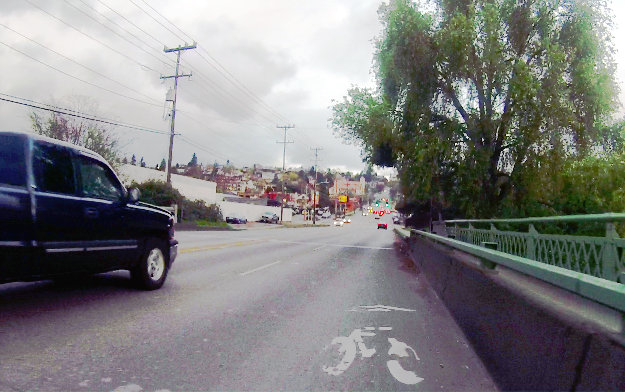
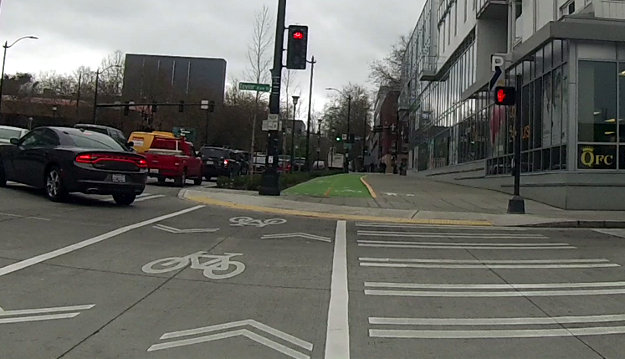
It is no secret that urban infrastructure takes generations to be implemented city wide. Thus, if you want to correct a big mistake now the changes won’t be happening any time soon. That is why everywhere in the US you see lots of sharrows and only a few segregated bikeways.
If you pay attention you’ll notice that in the previous decades driving was THE mean of transportation. That’s why you see highways going through downtown and dividing cities, streets without sidewalks, and a shamefully low number of segregated bikeways that provide for an equally low percentage of bikers.
But going back to the 50s, 60s and 70s, when politicians and people only cared about cars, some urban designers tried hard to provide even a minimum cycling infrastructure. I can imagine how hard urban designers had to fight in order to get sharrows approved when everybody was crazy about oil and cars.
That’s why I really despise new sharrows being installed instead of segregated bikeways, but I’d like to praise the few great designers who envisioned a multimodal world half a century ago.